You can easily translate the web content to your language with the Google Chrome.
Do szybkiego tlumaczenia na Twoj jezyk, polecam uzywanie przegladarki Google Chrome.

Monday, June 11, 2012

Sensory and Feeding Products


In 2 seconds you will we be redirected to the new URL: http://slpzone.blogspot.com/

I use in therapeutic treatment and feeding
Get familiar and decide yourself what is the best for your child/patient.
Let me know if you found the list useful by sharing your opinion in a "Post a Comment" section at the end of the page. Thank you - Urszula


Sensory Treatment:

Infant Toothbrush
Toddler Toothbrush
Nuk Toothbrush
Nuk Massager
Vibrator and Toothattes
Jiggle Vibrators
ARK Grabbers
ARK Animal Menagerie
ARK Tri Chew
ARK Z-Vib Set
Chewy Tubes
Flavored Wooden Tongue Depressors
Tick-Tong Flavored Plastic Tongue Depressor
Roller Ice
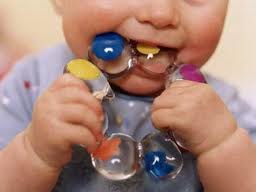
First Year Massaging Action Teether

Feeding:
Feeding Syringe
Maroon Spoon
Duo Spoon
Textured Spoon Set
Soft EZ Spoon
Infa Trainer Cup
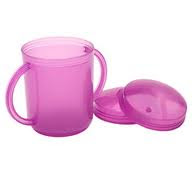
Recessed-Lid Drinking Cup
Cut-Out Cup
Honey Bear with Straw


      Stores/webs where I buy /order them

      1. Talk Tools www.talktools.com  

      1. Equipment Shop www.equipmentshop.com.

      Sunday, May 27, 2012

      Swallowing Treatments


      In 2 seconds you will we be redirected to the new URL: http://slpzone.blogspot.com/

      Read an abstract and let me know if you found it useful by sharing your opinion in a "Post a Comment" section at the end of the page. Thank you - Urszula

      Normal Larynx

      Behavioral Therapy
      Behavioral Therapy are postural maneuvers or compensatory strategies that are implemented to insure a safe swallow.

      For example, a HEAD TURN is implemented when it is found that a patient is numb on one side of their throat during a FEESST exam. By having the patient turn their head to the numb side, the area of the throat that is numb becomes narrowed so that incoming food gets directed towards the sensate side of the throat.

      Types of Swallowing Behavioral Therapy include:

      A. Postural Techniques
      - Head Rotation to Weak Side or Strong Side - By rotating the head to the side of either motor or sensory weakness, the patient can eliminate the injured side of the pharynx from the food bolus path.
      For an Endoscopic view of the effects of a head turn,
      please click here.
      - Shaker Exercises - Another way to open the upper esophageal sphincter by having the patient lay flat on their back and, in a precise manner, slowly lift their chin to their chest. 

      - Chin Tuck - By placing the chin downwards toward the chest the patient: 
      1. widens the vallecula to prevent bolus from entering airway 
      2. puts the epiglottis in a more protective position 
      3. narrows the laryngeal entrance
      B. Compensatory Strategies
      - Effortfull Swallow - The patient is instructed to bear down, or to squeeze hard with all of their head and neck muscles while swallowing.
      - The Supraglottic Swallow - Four step maneuver:
      inhale and hold breath (this closes the vocal folds)
      • place bolus in swallow position
      • swallow while holding breath
      • cough after swallowing before inhaling (this clears any residue that may have entered the larynx)
      - The Supra - Supraglottic Swallow - The patient follows the same procedure as with the supraglottic swallow but additionaly he/she  bears down while holding his/her breath. 
      - Mendelsohn Maneuver - A technique that opens the upper esophageal sphincter. The patient is instructed to hold the thyroid cartilage up for several seconds. In this way, the larynx is kept tilted forward and elevated, thereby allowing the upper esophageal sphincter to relax.


      You can learn more by watching a video with the swallowing strategies presented by a clinician-
      Dietary Therapy
      During the FEESST test  it may become evident that certain types of food cause the patient to cough or choke, but other foods do not. During the FEESST exam the various food volumes and consistencies are used until it is determined which combinations allow the patient to swallow easily and safely.

      Pharmacotherapy
      Pharmacotherapy is therapy when certain medications may be prescribed which can help the patient swallow safely.

      Depending on the results of 
      the swallowing evaluation, certain medications may be prescribed which can help the patient swallow safely
      A)      Mucolytic agents: Medications that thin-out thick secretions. Sometimes patients have very thick phlegm and mucus that makes it difficult for patients to swallow. Mucolytics can thin thick secretions so that they could be more readily expectorated and coughed.

      B)      Anti-acid medications: Swallowing problems are sometimes due to untreated, or insufficiently treated, acid reflux disease. The acid causes swelling in the throat which can contribute to swallowing difficulties. Under those circumstances, anti-acid medication is prescribed in order to help alleviate the throat swelling that may be contributing to the swallowing problem.

      Surgery
      The surgical management of the patient with dysphagia primarily depends on the etiology of the dysphagia. The more common etiologies of dysphagia that lend themselves to surgical correction are described.

      A)      Zenker's Diverticulectomy
      Three procedures have been described to treat a Zenker's diverticulum: diverticulectomy, diverticulopexy, and peroral endoscopic division of the party wall between the diverticulum and the esophagus.

      Diverticulectomy is usually selected for treating large diverticula in otherwise healthy patients. It involves an open-neck operation where the(Zenker's) hernia sac is identified and isolated. The sac is then resected its neck, taking care not to compromise the esophageal lumen by resecting too much mucosa, and closing the pharyngotomy with a watertight closure. A cricopharyngeal myotomy is performed as close to the posterior midline as is possible to minimize risk to the recurrent laryngeal nerves; the myotomy consists of dividing the entire circular cricopharyngeus muscle.

      Diverticuloplexy, combined with cricopharyngeal myotomy, is preferred by some surgeons for dealing with small diverticula or large diverticula in high-risk patients. The sac is isolated and tacked with permanent suture to the prevertebral fascia, such that the mouth of the sac is in a dependent position. Diverticulopexy avoids a pharyngotomy, reducing the risk of a pharyngocutaneous fistula or injury to the recurrent laryngeal nerves.

      Endoscopic peroral division of the party wall between the sac and the esophagus was first described by Dohlman in 1960. He used a special double-lipped esophagoscope, inserting one lip into the sac and one lip into the esophagus. Electrocautery was used to divide the party wall, including the cricopharyngeus muscle. Dohlman's procedure fell into disfavor because of an unacceptably high complication rate and mortality from mediastinitis. More recently, with some modifications to Dohlman's original technique such as utilization of an operating microscope and a laser, the endoscopic approach has gained acceptance, especially for very ill patients in whom an open procedure might pose greater risks.

      B) Cricopharyngeal Myotomy
      Dysphagia as a result of abnormalities with the cricopharyngeus muscle may be ameliorated by selective use of cricopharyngeal myotomy. Cricopharyngeal myotomy may be either surgical or pharmacologic (botulinum toxin). In general, cricopharyngeal myotomy is primarily useful for true cricopharyngeal achalasia such as after vagus nerve injury at the base of the skull where pharyngeal motor function remains otherwise intact. Cricopharyngeal myotomy is contraindicated in conditions when there is impaired pharyngeal peristalsis or when significant reflux disease exists. Many disease entities where cricopharyngeal myotomy was thought to be useful in improving dysphagia, such as myopathy and brainstem stroke, may actually be of no benefit.

      C) Salivary Diversion Procedures
      Dysphagia severe enough to result in the threat or actual circumstance of food and saliva constantly soiling the airway typically requires aggressive management. Surgical procedures that divert or diminish the flow of food and saliva from the airway include vocal fold medialization, tracheostomy, laryngeal stents, reversible laryngeal closure procedures, laryngotracheal separation and total laryngectomy. The application of any one of these treatment modalities depends on several patient factors such as underlying disease process and overall health status of the patient.

      Patients who are aspirating regularly frequently become malnourished, which only exacerbates their underlying condition. Therefore, as measures are considered to prevent aspiration, alimentation through non-oral means should be implemented as well. Feeding gastrostomy or jejunostomy tubes, placed endoscopically (percutaneous endoscopic gastrostomy (PEG) or percutaneous endoscopic jejunostomy (PEJ), are excellent ways to aliment patients who are at high risk for aspiration as a result of severe dysphagia.


      References

      1. Laccourreye O et al. Esophageal diverticulum: diverticulopexy versus diverticulectomy. Laryngoscope 1994.
      2. Dohlman G, Mattsson O. The endoscopic operation for hypopharyngeal diverticulum. A roentgen cinematographic study. Arch Oto Head Neck Surg 1960.
      3. Van Overbeek JJM. Meditation on the pathogenesis of hypopharyngeal (Zenker's) diverticulum and a report of endoscopic treatment in 545 patients. Ann Otol Rhinol Laryngol 1994.
      4. Wisdom G, Blitzer A. Surgical therapy for swallowing disorders. Oto Clin NA 1998.
      5. Pou AM. Surgical treatment of swallowing disorders: Cricopharyngeal myotomy in Carrau RL, Murray T (eds.) Comprehensive Management of Swallowing Disorders. Singular Publishing Group, Inc. San Diego, CA 1999.
      6. Stevens KM, Newell RC. Cricopharyngeal myotomy in dysphagia. Laryngoscope 1971; 81: 1616-1620.
      7. Lebo CP, Sang K, Norris FH. . Cricopharyngeal myotomy in amyotrophic lateral sclerosis. Laryngoscope 1976.
      8. Calcaterra TC, Kadell BM, Ward PH. Dysphagia secondary to Cricopharyngeal muscle dysfunction: surgical management. Arch Otolaryngol Head Neck Surg 1975. 
      9. Netterville JL, Stone RE, Luken ES, Civantos FJ, Ossoff RH. Silastic medialization and arytenoid adduction, a review of 116 procedures: the Vanderbilt experience. Ann Otol Rhinol Laryngol 1993.
      10. Eliachar I, Nguyen D. Laryngotracheal stent for internal support and control of aspiration without loss of phonation. Otolaryngol Head Neck Surg 1990.
      11. Castellanos PF. Method and clinical results of a new transthyrotomy closure of the supraglottic larynx for the treatment of intractable aspiration. Ann Otol Rhinol Laryngol 1997. 
      12. Biller HF, Lawson W. Total glossectomy. Arch Otolaryngol Head Neck Surg 1983.
      13. Lindeman RC, Yarington CT, Sutter D. Clinical experience with the tracheoesophageal anastomosis for intractable aspiration. Ann Otol Rhinol Laryngol 1976.
      14. Cannon CR, McClean WC. Laryngectomy for chronic aspiration. Am J Otolaryngol 1982.

      Saturday, May 26, 2012

      Feeding and Swallowing Disorders in Infants and Children


      In 2 seconds you will we be redirected to the new URL: http://slpzone.blogspot.com/

      Read an abstract and let me know if you found it useful by sharing your opinion in a "Post a Comment" section at the end of the page. Thank you - Urszula


      Children with feeding and swallowing difficulties (also called dysphagia) are at risk for malnutrition, dehydration, and respiratory problems. Infants and children with feeding and swallowing problems are a diverse group, ranging from premature babies to teenagers. Parents are often the first to notice a feeding problem.


      Causes of feeding and swallowing problems

      • Prematurity
      • Cerebral palsy
      • Autism
      • Head and neck abnormalities
      • Muscle weakness in the face and neck
      • Gastroesophageal reflux
      • Multiple medical problems
      • Respiratory difficulties
      • Medications that may cause lethargy or decreased appetite
      • Problems with parent-child interactions at mealtime
      Symptoms
      Children with feeding and swallowing problems present with a wide variety of symptoms, depending on the nature and cause of their disorder. Typical symptoms include:
      • Poor feeding
      • Difficulty chewing
      • Difficulty drinking from a bottle or cup
      • Difficulty breast feeding
      • Refusing food or liquid
      • Coughing or choking while eating or drinking
      • Excessive drooling and food spilling from the mouth
      • Liquid leaking out the nose
      • Gagging
      • Vomiting during meals
      • Increased congestion during meals
      • Increased fussiness or crying during meals
      • Accepting only certain types of food (only pureed foods or only crunchy foods)
      • Poor weight gain
      • Frequent respiratory infections or pneumonia (may occur when food or liquid is aspirated into the airway, rather than swallowed effectively)
      Evaluation and Diagnosis of Feeding and Swallowing Disorders
      If you suspect that your child is having difficulty eating, contact your pediatrician right away. Your physician will examine your child and address any medical reasons for the feeding difficulties, including the presence of reflux or metabolic disorders. The pediatrician may refer you and your child to a feeding team or speech-language pathologist who specializes in treating children with feeding and swallowing disorders. The SLP will discuss your concerns and observe your child while they eat. The SLP may also conduct an instrumental assessment of your child's swallowing ability. This involves having your child eat and drink foods and liquids mixed with barium while watching them on an x-ray. This procedure is typically called a modified barium swallow (MBS) and is conducted in a radiology office. Sometimes a different instrumental assessment will be completed, which involves having a lighted scope inserted through the nose so your child's swallow can be observed.
      If a feeding team is involved, which may include the speech language pathologist SLP, an occupational therapist OT, a physical therapist PT, a physician or nurse, and a dietitian, your child's posture, self-feeding abilities, medical status, and nutritional intake will also be examined. The team will then make recommendations on how to improve your child's feeding and swallowing.
      You can watch normal swallow


      Compare it with abnormal swallow animation:


      Learn about basic of videofluoroscopy of swallowing


      Treatment

      Based on the results of the feeding evaluation, the SLP or feeding team may recommend any of the following:
      • Medical intervention, as needed
      • Direct feeding therapy designed to meet your child's individual needs
      • Nutritional changes
      • Postural or positioning changes (different seating, etc.)
      • Behavior management techniques
      • Desensitization to new foods or textures
      • Food temperature and texture changes
      • Referral to other disciplines, such as psychology or a dentist
      If feeding therapy with an SLP is recommended, the focus of intervention may include:
      • Strengthening the muscles of the mouth
      • Increasing tongue movement
      • Improving chewing patterns
      • Increasing tolerance of different foods or liquids
      • Improving sucking /drinking ability
      • Coordinating the suck-swallow-breathe pattern (for infants)
      • Altering food textures and liquid viscosity to ensure safe swallowing
      • Other interventions depending on your child's specific needs
      Swallowing strategies for dysphagia 
      A. Compensatory Strategies
      - Supraglottic Swallow
      - Effortfull Swallow
      - Mendelsohn Maneuver
      - The Supra-Supraglottic Swallow

      B. Postural Techniques
      - Head Rotation To Weak Side
      - Head Rotation To Strong Side
      - Head Back/ Chin Up
      - Chin Tuck

      Watch video with the swallowing strategies presented by a clinician - 
      http://www.youtube.com/watch?v=UgkRVD-LvjY&feature=endscreen&NR=1
        
      Management hints of gastro-oesophageal reflux 
      1. Keep your baby upright for at least 30 minutes after a feed. 
      2. Use a baby sling, which allows you to keep your child upright, while keeping your hands free. Avoid baby slumping. 
      3. Try elevating the head of the cot/bassinet. 
      4.  Consider using a dumm. 
      5. Avoid vigorous movements or bouncing the baby. 
      6. The best time to lay your baby on the floor is when baby's tummy is empty, i.e. before a feed. 
      7. Change nappy before a feed. Take care to elevate the baby's head and shoulders. Avoid lifting the legs too high, and turn to the side if possible. 
      8. Avoid any tight clothing around the waist, such as tight nappies, elastic waistbands. 
      9. Avoid overfeeding – if the baby vomits, wait until the next feeding rather than feeding them again. 
      10. If the baby is bottle-fed, it may be worthwhile trying AR (anti-reflux) formula, or a hypoallergenic one. 
      11.  Offer a spoonful of thickened milk (formula or breastmilk) following the feed. 
      12. If breastfeeding, avoid foods that can aggravate reflux such as citrus, tomato, fatty foods, spicy foods, chocolate and carbonated drinks. 
      13. Some reflux children may suffer from food sensitivities, and may need dietary restrictions (or the mother may consider an elimination diet). If you suspect foods may be responsible for your child's condition, it is essential to discuss this with your health care provider. Do not change your or your child's diet before seeking medical advice. 
      14. Contact a reflux support organisation for further information and support. The support groups can offer the emotional support you may need.

      Sunday, May 20, 2012

      Advice for Parents/Caregivers How to Develop and Improve Child’s Oral-Motor Strength and Sensitivity.


      In 2 seconds you will we be redirected to the new URL: http://slpzone.blogspot.com/

      Rules to follow for a success
      Try to apply and look for a triumph. Good Luck!
      Let me know if you found it useful by sharing your opinion in a "Post a Comment" section at the end of the page. Thank you - Urszula

      Make exercises fun as much as possible!
      Modify environment by minimizing distractions!
      Sit behind a child, the way you both face a mirror!
      Make sure your child is in comfortable, supported position!
      Explain what you are doing in a simple, narrative way!
      Provide exercises for short periods of time!
      Don’t do all learned exercises at the same session!
      Provide exercises before each meal not during a mealtime!
      Pause to allow time to swallow any saliva that may have accumulated!
      Don’t attempt swallowing if your child has a cold!
      Stop if your child becomes distressed at any time!
      Be patient!
       

      Exercises to develop and improve oral sensitivity and muscle tone
      1. First, before you approach the child’s face verbally explain what are you going to do and what for.
      2. Use slow, firm strokes over the hands, arms, shoulders, neck with rough texture (e.g. towel, etc.)
      3. Next start at the sides of the face, forehead, chin, gradually working towards the centre of the face.
      4. Massage the cheeks using circular movements, particularly around the mouth.
      5. Using thumb and index finger press the top and bottom lips firmly together. Hold for a while and release.
      6. Stroke firmly downwards on the area between the nose and top lip while using your finger to push the bottom lip upwards.
      7. Using 2 fingers pull the top lip down, starting under the nose and working towards the top of the lip (without touching the lip itself).
      8. Do the same for the bottom lip, working from the chin to the lip. Support the jaw if necessary.
      9. Gradually introduce stronger flavors at mealtimes:
      a.       Using seasoning (curry, garlic, etc.)
      b.      Introducing organic chips of different flavor (vinegar, pepper, etc.) and dips (mayonnaise, ketchup, etc.)
      c.       Offering tangy, bitter flavored fruits or yoghurts (kiwi, lemon, grapefruit, cranberry, etc.)
      10.  Introduce food of different temperature (ice-cream, popsicles, etc.)
      11.  Gradually introduce sensory toys (textured teethers, etc.)

      Exercises to develop and improve lip movements
       
      1. Child will drink from a cup making very small sips.
      2. Child will drink using straw (tight/round lip seal around the straw; straw has to be held just by lips, not deeply.)
      3. Child will blow bubbles in the air, bubbles in the water using a straw, cotton wool balls across the table, whistles/party blowers, etc.
      4. Child will make /oo/ sounds (imitating a ghost, owl, monkey, wind) and /ee/ sounds, like E-I-E-I-O in Old McDonald song, using exaggerated lip movements. You might need to gently push the lips from a tight stretched position (smile shape) to the round position (kiss shape).
      5. Child will blow kisses. (You might need to gently push the lips from a tight stretched position  -smile shape to the round position - kiss shape. Put on some lip stick or face paint and make kiss marks on a mirror, tissue, paper etc.
      Exercises to develop and improve jaw and tongue movements
      1. When side-spoon-feeding your child, place spoon on the lower lip. Let the child to clean the spoon.
      2. Over time place food at the sides of the mouth, between the teeth. This will encourage munching/sideward tongue movements.
      3. To stimulate biting, munching and sideward tongue movements.
      a.       Do exercises at times when your child is relaxed.
      b.      Exercises should not be done at mealtimes.
      c.       Place the item in the mouth, between the teeth, along the line of the jaw and ensure that it is not placed so as to stretch the lips. Do not place too far back in case your child gags.
      d.      Place on the best side initially, than move to the other side.
      e.       If the child is not munching, pull the item out slightly and gently or press down.
      f.       When you feel your child is confident about biting skills, introduce food items. Initially use bite-and-dissolve foods (biscuits, snacks, etc.)
      g.      If the child is not biting off the food, break it off for them while they are biting down on it. Do not force your child to take foods that their mouth is not ready.
      h.      Over time, gradually introduce chewier foods in the same way.


      Tuesday, May 15, 2012

      Complementary Approaches


      In 2 seconds you will we be redirected to the new URL: http://slpzone.blogspot.com/

      I hope you find it useful. I would greatly appreciate your feedback at a "Post a Comment" section at the end of the page. Thank you for looking - Urszula

      Art & Music
      Art and music are particularly useful in sensory integration, providing tactile, visual and auditory stimulation.
      Music therapy is good for speech development and language comprehension. Songs can be used to teach language and increase the ability to put words together.
      Art therapy can provide a nonverbal, symbolic way for the child with autism to express him or herself. 

      Animal Therapy
      Animal therapy may include horseback riding or swimming with dolphins. Therapeutic riding programs provide both physical and emotional benefits, improving coordination and motor development, while creating a sense of well-being and increasing self-confidence. 
      Dolphin therapy was first used in the 1970s by psychologist David Nathanson. He believed that interactions with dolphins would increase a child's attention, enhancing cognitive processes.
      In a number of studies, he found that children with disabilities learned faster and retained information longer when they were with dolphins, compared to children who learned in a classroom setting.